About CAUS
Fostering interdisciplinary collaboration to build the next generation of smart cities.
Launched in August 2024, Center for Advanced Urban Systems (CAUS) is the nation's first research center focusing on Urban AI. Our mission is to develop key technology for sustainable urban growth from planning to maturity leveraging the vast amount of urban data. Our scope encompass beyond the smart city research as we focus on the urban behaviors, city more livable and equitable by uncovering hidden patterns of interactions between people and physical urban environment.
Transdisciplinary team of researchers from Civil Engineering, Computer Science, Artificial Intelligence, Operations Research from forms a super-convergence international cooperation ecosystem through the collaboration of seven professors from four departments within KAIST, along with five professors from leading global urban science research institutions, including the Stanford Doerr School of Sustainability, MIT Senseable City Lab, NYU Center for Urban Science + Progress, and NYU Marron Institute. Our research project enables accurate data-driven analysis across various aspects of the city, laying the foundation for solving key urban issues such as energy shortages, environmental pollution, security concerns, and traffic congestion.
Key Research Areas
Our research is structured around five core pillars, from global networks to human-centric urban technologies.
Urban Digital Infrastructure
Research on infrastructure for collecting, processing, storing, and sharing data in the city, including urban computing, active sensing, and cloud technologies.
- Urban computing system and application for smart city.
- Real-time urban sensing based on active moving sensors.
- System requirements for digital infrastructure.
Urban Digital Intelligence
Development of intelligence discovery and prediction technologies that can be understood and utilized at multiple scales, including individuals, buildings, communities, and cities, based on rich urban data resources.
- Data engineering for AI model training.
- Representing urban functional characteristics.
- Location optimization for public facilities.
- AI technology for traffic impact assessment.
- City-scale traffic simulation technology.
- AI for urban planning and design automation.
Urban-Human Interaction
Technologies for discovering urban intelligence and enhancing the economic and social health of cities from the residents' perspective, moving away from a top-down approach
- Quantitative composite indicators for urban functions.
- Analysis of floating population behavior patterns.
- Conversational AI models for community service utilization.
- Interactive urban Q&A technology based on comprehensive reasoning.
Urban Digital Toolkit
Toolkits for visualization and utilization of data, analysis, and reports
- Interactive data visualization modules.
- Analysis content mapping modules.
- Natural language-based simulation modules.
- Natural language-based knowledge bank Q&A modules.
- Urban planning and design modules.
- Defining resources and partners for development.
Global Research Network
Establish a global top-tier smart city international cooperation and advisory network to facilitate joint research and technology consulting
- Collaboration with global leading scholars.
- Establishment of an International Advisory Board.
- Co-hosting major conferences to enhance visibility.
- Education and advisory programs for practitioners.
- Expansion of the cooperation network for urban studies.
Our Member
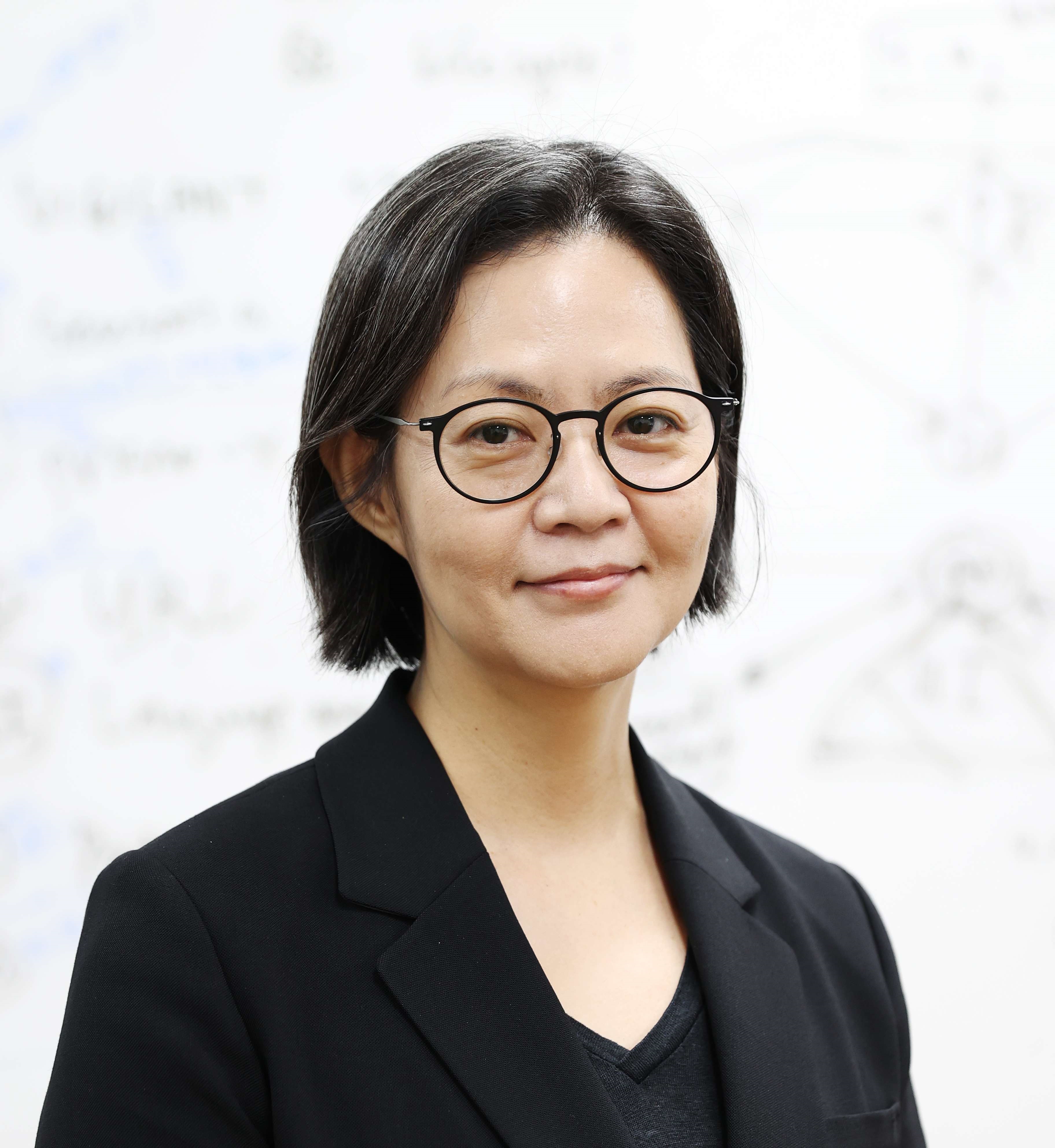
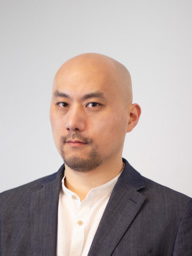
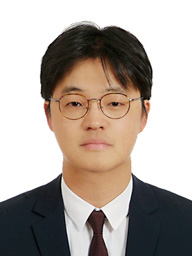
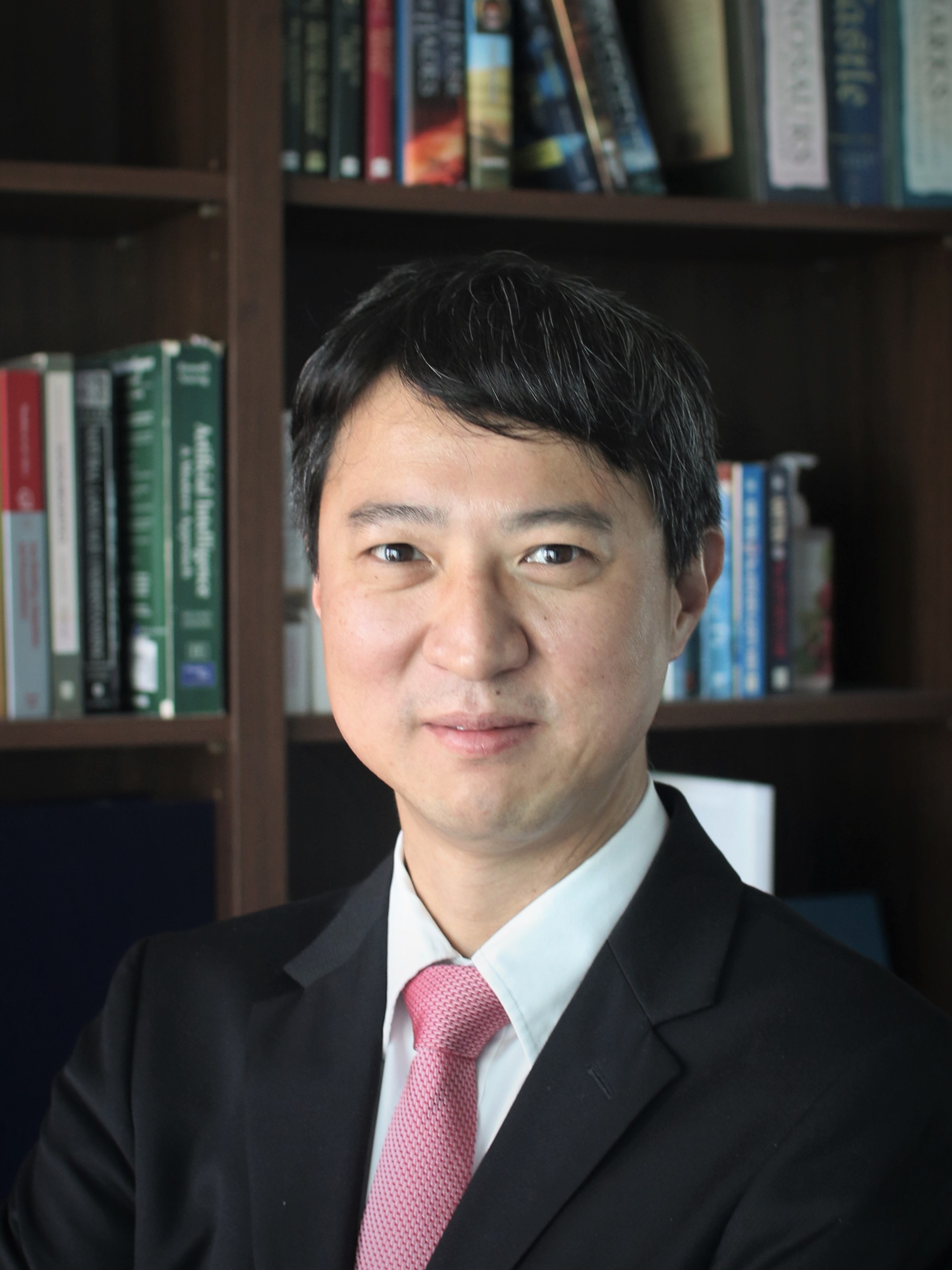
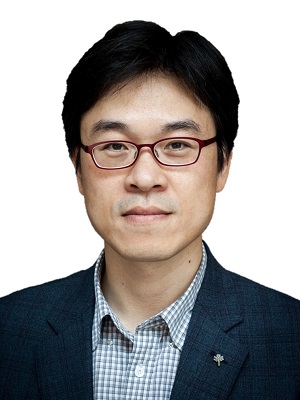
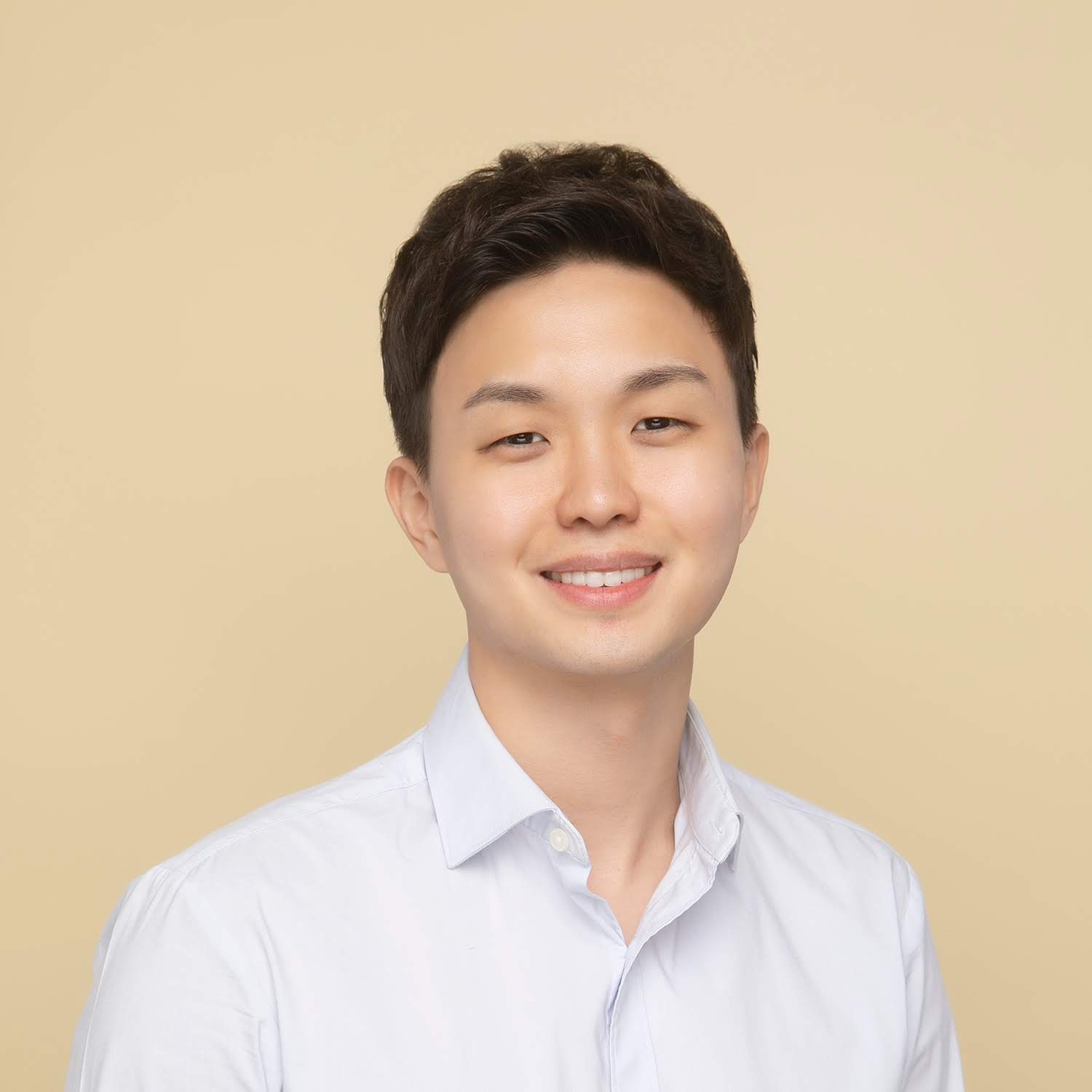
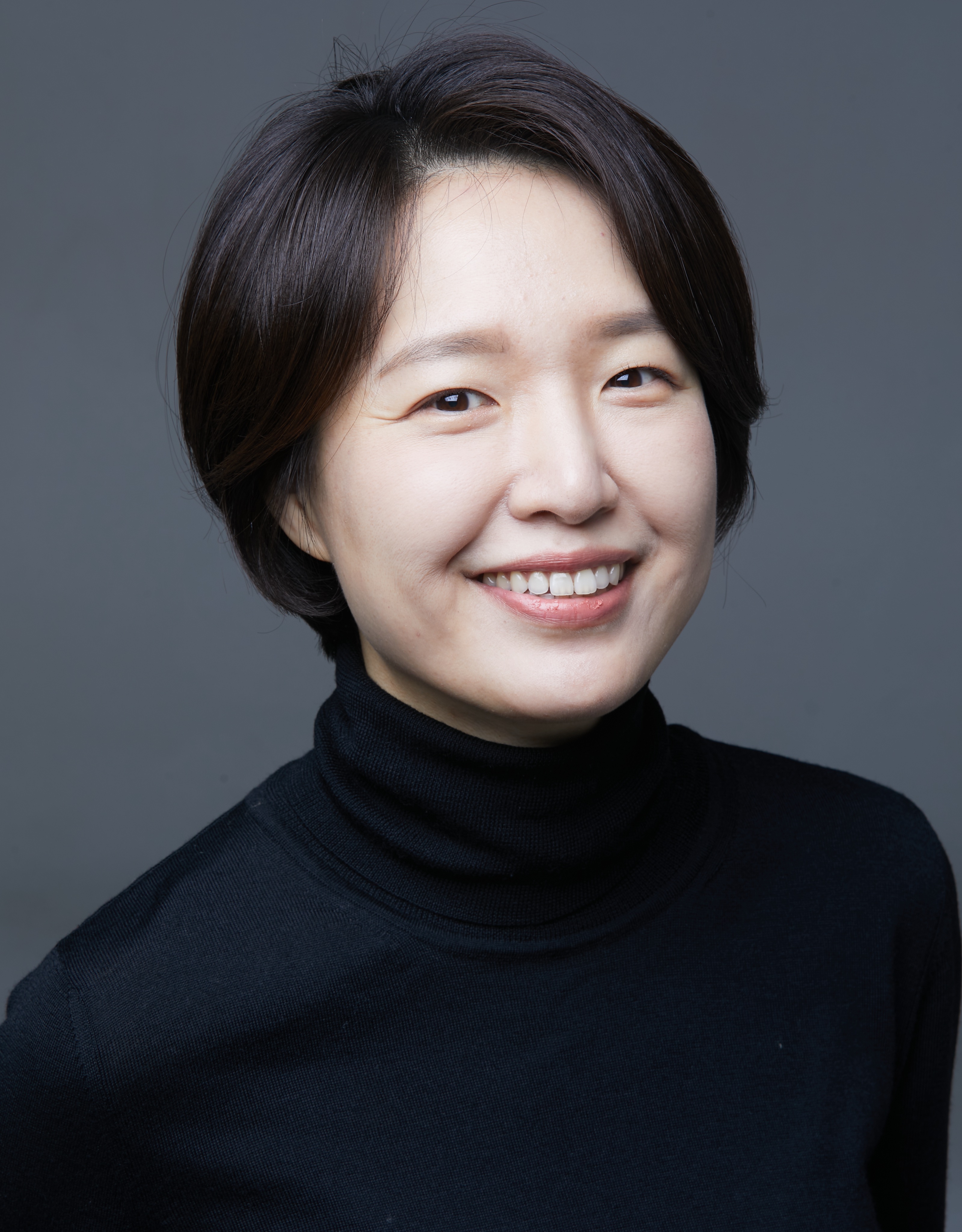
KAIST Professors
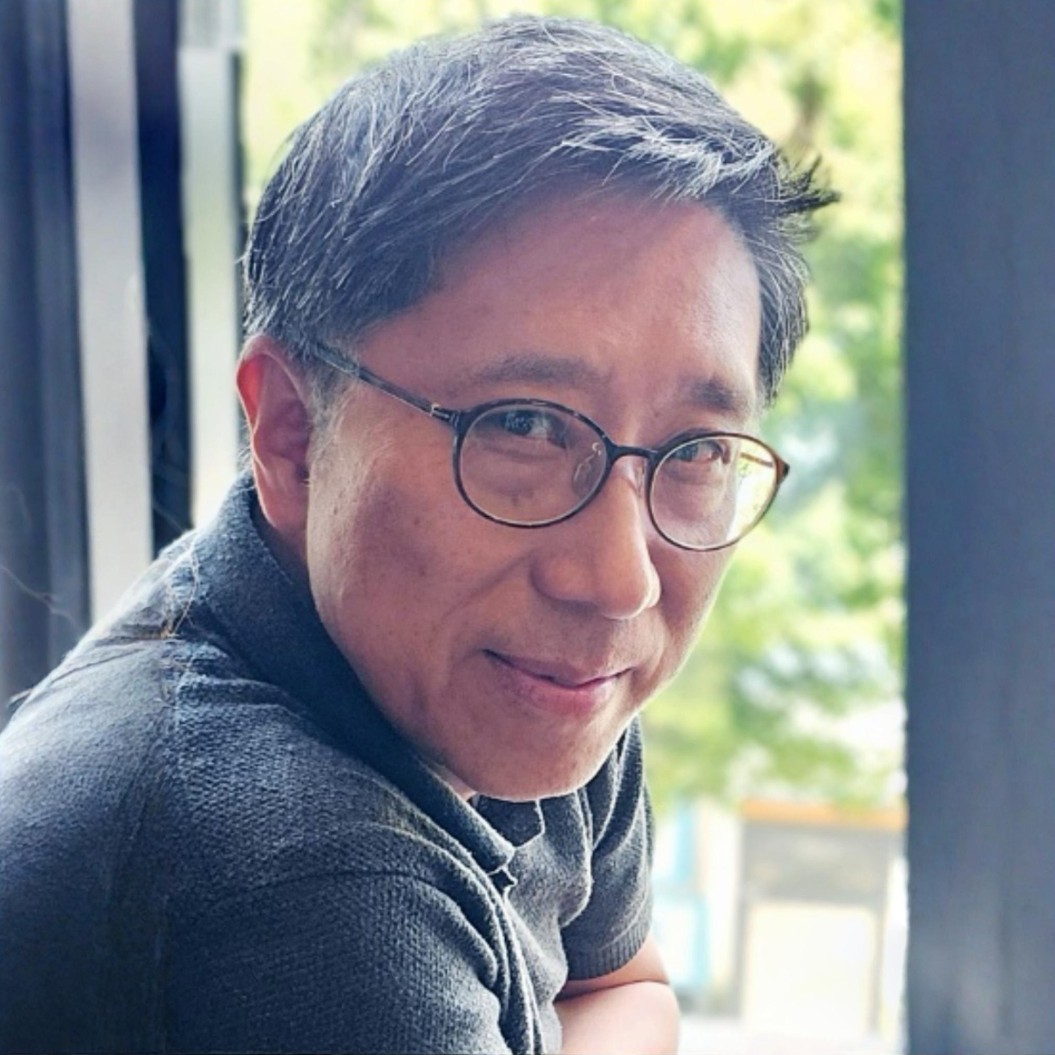

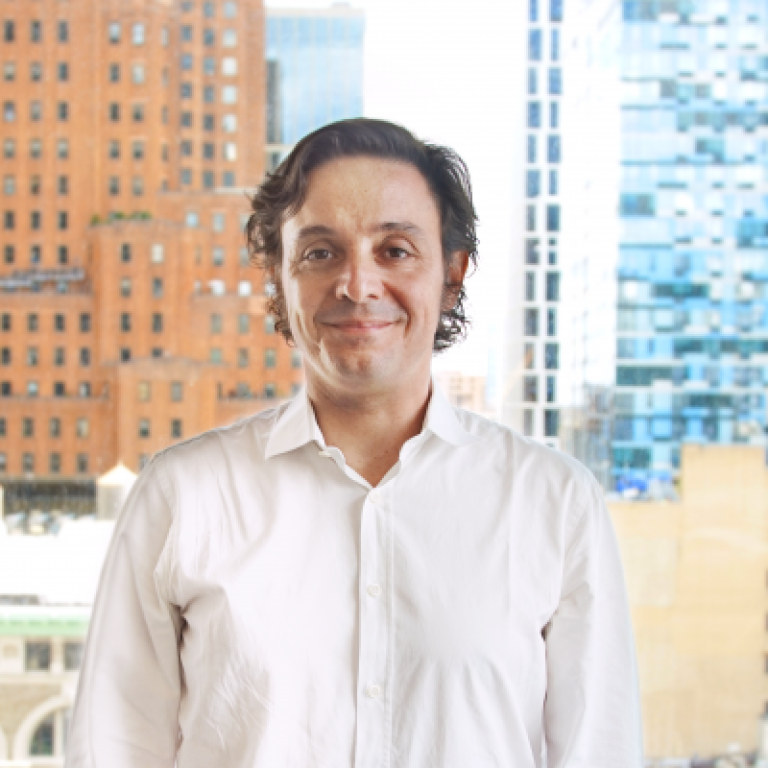
Global Scholars

Research Staffs
Students
News & Events
Join our open seminars and stay updated with the latest news from CAUS.
Events Calendar
6
NOV 2025
VIGILANT Weekly Meeting
20
NOV 2025
CAUS Monthly Meeting
24-25
NOV 2025
Urban X - HcFM Workshop @Berkeley
A two-day workshop focusing on Urban Air Mobility and Urban AI
TBA
Mar 2026
CAUS Annual Conference
A conference featuring keynote talks, panels, and demos on Urban AI (date TBA)
Seminars
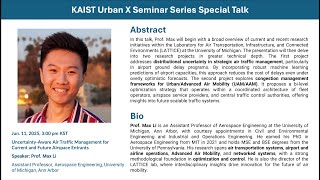
Uncertainty-Aware Air Traffic Management for Current and Future Airspace Users
Speaker: Prof. Max Li (Univ. Michigan)
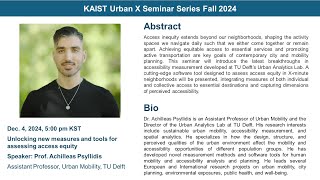
Unlocking new measures and tools for assessing access equity
Speaker: Prof. Achilleas Psyllidis (TU Delft)
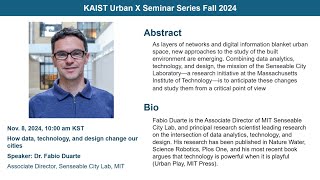
How data, technology, and design change our cities
Speaker: Dr. Fabio Duarte (MIT)
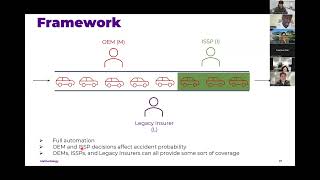
Safety, Liability, and Insurance for Automated Driving
Speaker: Prof. Daniel Vignon (NYU)
Featured Publications
Jeong, M., Chang, J., & Yoon, Y. (2025). Speak to Simulate:An LLM-Guided Agentic Framework for Traffic Simulation in SUMO, Proceedings of the 8th ACM SIGSPATIAL International Workshop on GeoSpatial Simulation (GeoSIM '25)
Yoon, D., Jeong, M., Lee, J., Kim, S., & Yoon, Y. (2025). Integrating urban air mobility with highway infrastructure: A strategic approach for vertiport location selection in the Seoul metropolitan area (arXiv preprint No. 2502.00399).
Ro, J., Kim. N., & Yoon, Y. (2025). Proceedings of the IEEE/CVF International Conference on Computer Vision (ICCV) Workshops, pp. 6476–6485.
Sohn, S., Kim, N., Hansen, M., & Yoon, Y. (2025). USE-LFA: A data-driven framework for UAM site evaluation using latent factor analysis (arXiv preprint No. 2503.23090v2).
Kim, N., & Yoon, Y. (2025). Effective Urban Region Representation Learning Using Heterogeneous Urban Graph Attention Network (HUGAT). IEEE Access, 13, 102602–102612.
Our Valued Partners & Sponsors